

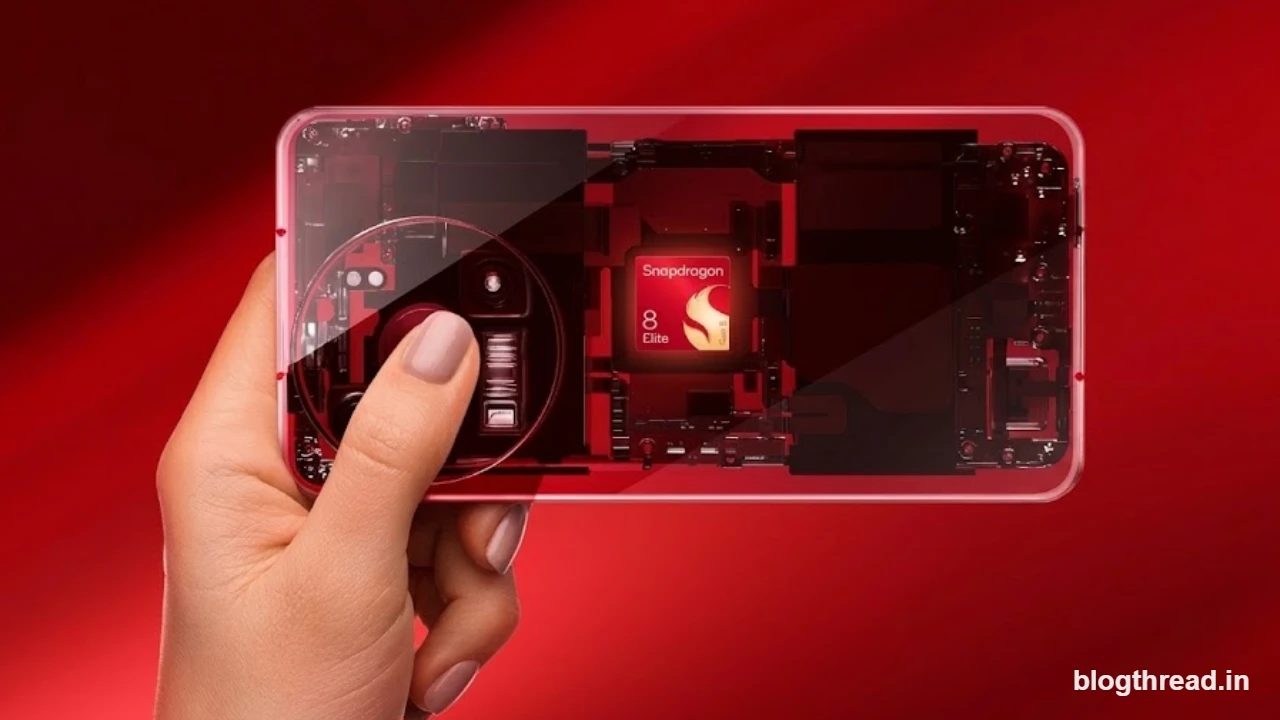
Why Snapdragon Gen 4 matters in 2025
2025 is shaping up to be a milestone year for Indian smartphone buyers. With Qualcomm’s next-gen platform powering the latest flagships, expect a real jump in performance, on-device AI, battery life, and camera smarts. If you’ve been holding off your upgrade, the new wave of Snapdragon Gen 4 phones could be the best time to switch—especially as brands battle hard on pricing and features in India.
Top contenders to watch
While launch calendars keep shuffling, a few models are clearly in pole position to lead the Indian market. These phones are expected to blend raw power with meaningful everyday gains—think faster photo processing, smarter voice features, and cooler gaming under sustained loads.
- Xiaomi 15 / 15 Pro / 15 Ultra: Xiaomi’s early-mover advantage often brings the first taste of the new Snapdragon generation. Expect Leica-backed cameras, a bright LTPO AMOLED, and a push toward lighter, slimmer builds without compromising on battery.
- OnePlus 13: A performance-first flagship with a clean, fast UI and a strong camera stack. OnePlus usually nails thermal management, making it a gamer’s favorite—plus long-term performance tends to stay stable.
- iQOO 13 / 13 Pro: iQOO’s value-flagship playbook—flagship chip, high-touch-sampling display, fast charging—often comes in at aggressive pricing. Ideal for users who want speed without paying ultra-premium.
- Realme GT 6 Pro (or successor): Realme’s GT line is back to chasing performance crowns. Expect fast charging, a flat punchy display, and a camera that’s finally catching up to the big boys.
- Vivo X line: If launched widely in India, the X-series can be a dark horse for camera lovers, especially in skin tones and low-light portrait processing.
What upgrades should you actually care about?
Spec sheets are noisy. Here’s the practical checklist to cut through the hype:
- On-device AI: Look for features you’ll use—live transcription in Indian languages, AI erase and enhance in the gallery, voice summarisation for WhatsApp audio, and context-aware voice commands.
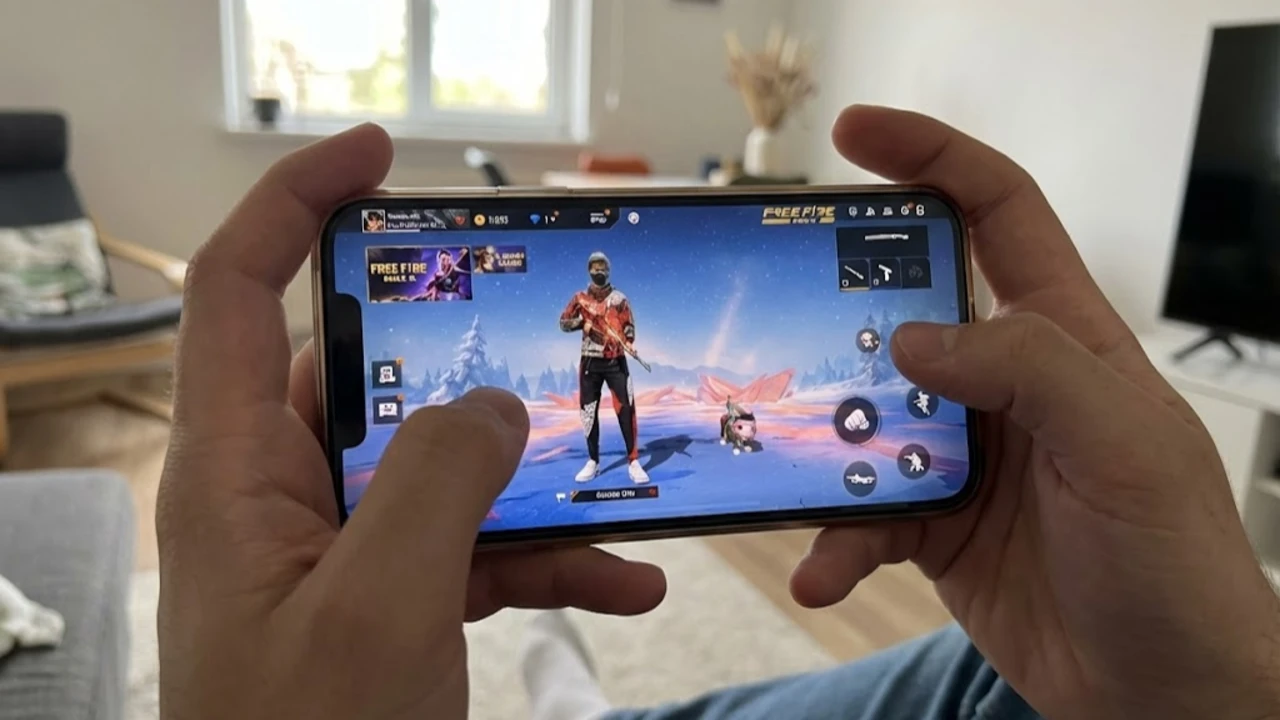
- Thermals + sustained performance: A slim phone is great, but only if it stays cool after 20 minutes of BGMI or Genshin. Check for larger vapor chambers and stability benchmarks rather than just peak scores.
- Battery + charging: 5000–6000 mAh with 80W+ charging is becoming standard. Also watch for smarter battery health features and adaptive charging that learns your routine.
- Cameras that shine at night: Beyond megapixels, look for larger sensors, better OIS, calibrated color science, and a periscope telephoto for usable 3x–6x zoom in real life.
- Display comfort: LTPO with variable refresh, high PWM dimming (for eye comfort), and strong outdoor brightness help more than chasing 2K vs FHD+
Expected India pricing tiers
Given last year’s trends and brand positioning, here’s where these phones are likely to land in India. Street prices may dip after the first sale wave and card offers.
| Model | Likely Price Band (INR) |
|---|---|
| iQOO 13 | ₹49,999 – ₹59,999 |
| Realme GT 6 Pro (successor) | ₹49,999 – ₹57,999 |
| Xiaomi 15 | ₹59,999 – ₹64,999 |
| OnePlus 13 | ₹66,999 – ₹74,999 |
| Xiaomi 15 Pro/Ultra | ₹74,999 – ₹89,999+ |
Performance gains: beyond benchmarks
Yes, the CPU and GPU will be faster—but what you’ll feel daily is smoother camera capture and processing, quicker app launches, and fewer frame drops under load. The new platform’s efficiency should also deliver better standby, meaning less battery anxiety during travel and office hours. For creators, on-device AI editing and faster 4K video processing could be the real win.
Gaming and creators: who should buy what
- Heavy gamers: Look at iQOO and OnePlus for sustained FPS, touch response, and heat dissipation. A flat display helps competitive gaming, and haptics matter more than most buyers think.
- Mobile photographers: Xiaomi 15 Pro/Ultra make a strong case with calibrated color and versatile zoom. If portraits and skin tones are your priority, keep an eye on Vivo’s X-series too.
- Power users: OnePlus 13 remains a safe all-rounder with fast updates, consistent performance, and robust battery life.
5 key buying tips for India
- Check network bands: If you travel often, verify 5G bands for Airtel/Jio and strong 4G fallback in semi-urban zones.
- Evaluate update policy: Prefer brands offering 4+ years OS and 5+ years security—future-proofs your spend.
- Service footprint: Xiaomi and OnePlus have wide coverage; ensure your city has a service center before buying ultra-premium.
- Panel quality: High-frequency PWM dimming and anti-flicker modes matter if your eyes get strained easily.
- Intro offers: First-sale bank offers, exchange bonuses, and loyalty upgrades can shave off ₹4,000–₹10,000 easily.
Which models will likely rule?
If the fight is purely about price-to-performance, iQOO 13 could be the people’s champ. For a balanced flagship that just works across camera, performance, and updates, OnePlus 13 looks set to be the default recommendation. And for camera-first buyers who don’t mind paying more, Xiaomi 15 Pro or Ultra will be hard to beat—especially for travel and low-light photography.
Bottom line
Snapdragon Gen 4 is more than a speed bump—it’s a quality-of-life upgrade across AI, imaging, and endurance. Shortlist based on your real needs: gaming, camera, or clean performance. The good news? In 2025, Indian buyers finally won’t have to compromise much—no matter which flagship lane they choose.

0 Comments
No comments yet. Be the first to share your thoughts!