

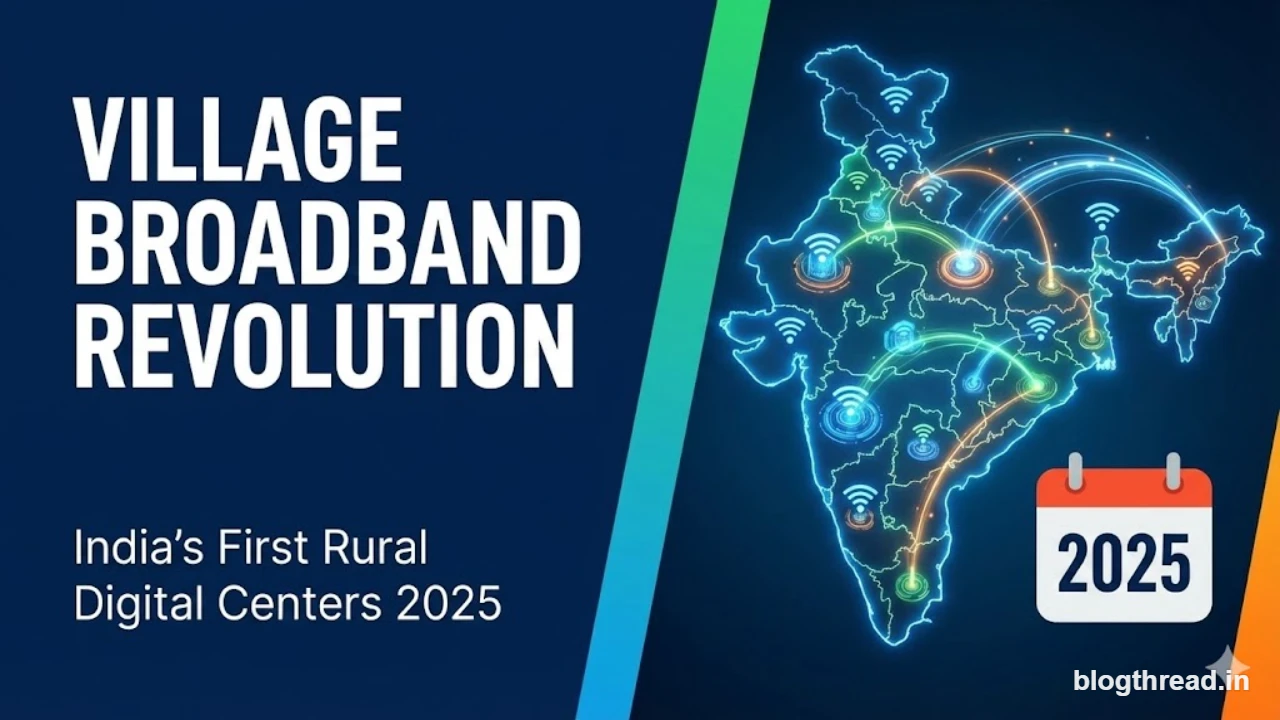
Why 2025 is different for rural internet
Rural broadband quietly crossed a tipping point this year as BharatNet Phase‑III rolled out with Digital Bharat Nidhi (DBN) funding and new “Digital India” Common Service Centres (DI‑CSCs) acting as full‑fledged rural digital hubs. Instead of just laying fibre, the ecosystem is now delivering services—banking, tele‑law, tele‑medicine, e‑commerce support—through staffed centres on village main roads. The result: more villages are not only connected, they’re actually using the internet for daily needs.
Where the first rural digital centers opened in 2025
The push began in districts that were already fibre‑ready and could operationalise model CSCs quickly. Early‑launch clusters were reported across Punjab (statewide under the amended BharatNet model), parts of eastern UP and Bihar where GP rings were service‑ready, and aspirational districts in the Northeast where connectivity gaps were steep and impact immediate. Several hill and border belts with new 4G sites under DBN also hosted the earliest DI‑CSCs to piggyback on fresh backhaul.
- Punjab: first statewide adopter of the amended BharatNet model; multiple districts activated DI‑CSCs alongside upgraded GP rings.
- Eastern UP/Bihar: blocks with service‑ready Gram Panchayats accelerated openings around market panchayats and PHCs.
- Northeast clusters: Arunachal/Assam border districts leveraged ILP towns and block HQs to stand up tele‑medicine and banking desks fast.
| Early‑launch belt | Why they led |
|---|---|
| Punjab districts | Statewide BharatNet amendment adoptor; quick integration of GP rings + CSC upgrades |
| Eastern UP & Bihar | High count of service‑ready GPs; demand for banking/DBT and school connectivity |
| Northeast border belts | New DBN‑funded 4G towers; priority for e‑health and digital KYC services |
What exactly is inside a rural digital center?
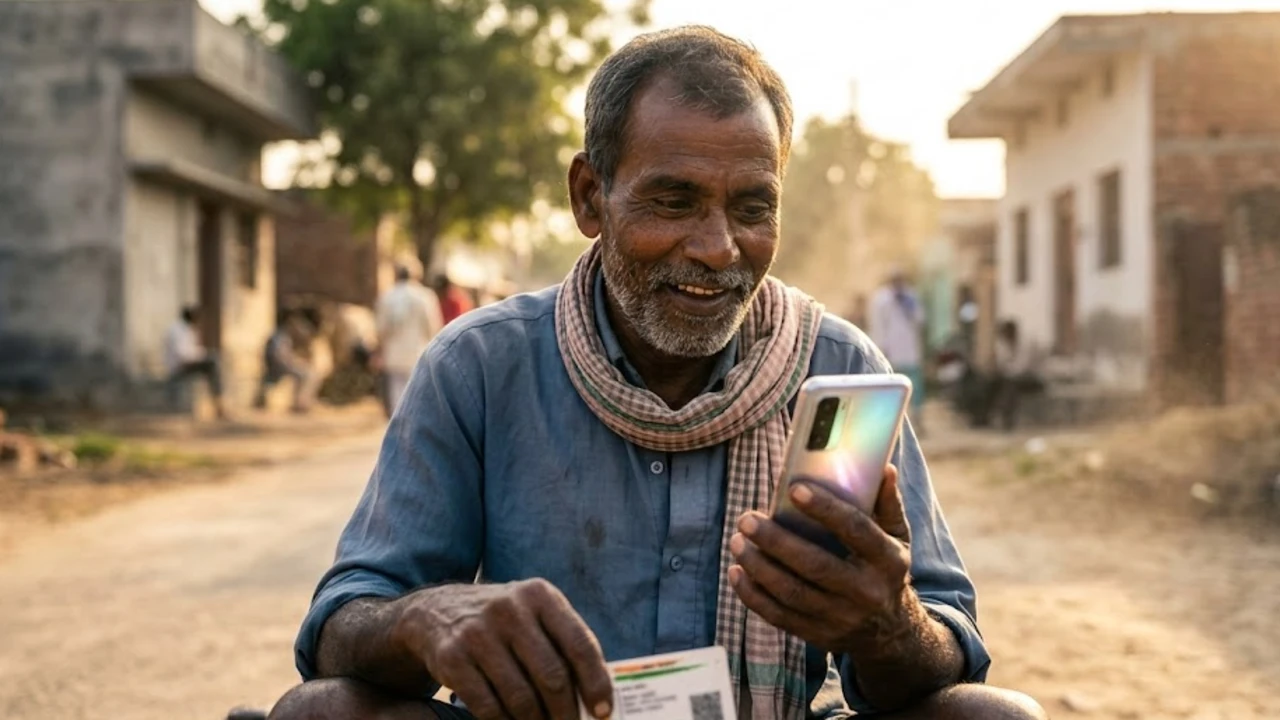
Think of DI‑CSC as a mini digital civic hub. High‑speed broadband, Aadhaar and banking desks, tele‑law and tele‑medicine kiosks, skilling corners for youth, and assisted e‑commerce counters for farmer‑producer groups. Village Level Entrepreneurs (VLEs) run these centres with centralized monitoring, so services stay reliable and fraud‑safe.
- Aadhaar & banking: KYC, accounts, cash‑in/out, insurance micro‑products.
- Tele‑services: doctor consults, legal advice slots, e‑learning screens.
- E‑commerce & agri: assisted ordering, logistics pickups, agri‑advisory.
| Facility | Service examples |
|---|---|
| Connectivity | Wi‑Fi hotspot, FTTH, device charging, printing/scans |
| Citizen services | Certificates, pensions, PM‑Kisan, scholarship uploads |
| Livelihood | VLE entrepreneurship, DigiPay Sakhi, local product cataloguing |
How BharatNet and DBN are powering the rollout
BharatNet added hundreds of thousands of km of OFC, with over two lakh Gram Panchayats service‑ready by early 2025 and a Phase‑III mandate to strengthen last‑mile reliability. DBN funds also accelerated 4G sites in remote villages, providing backhaul where fibre lags. Together, they turned dormant pipes into working public access with Wi‑Fi hotspots, FTTH lines and CSC‑operated service desks.
Who benefits first—and how
Three groups gain immediately: students (school broadband and e‑learning), micro‑entrepreneurs (banking + e‑commerce), and patients (tele‑consults and e‑pharmacy). Districts that went live early are already seeing faster DBT resolutions, fewer long bus trips for paperwork, and better continuity of care at PHCs thanks to video consults and digital records.
- Students: stable school internet, faster form fills for exams/scholarships.
- Small businesses/FPOs: digital payments, orders, and courier tie‑ups from the village itself.
- Patients & elderly: tele‑medicine slots reduce out‑of‑town hospital runs.
| User | Immediate gain |
|---|---|
| Students | Online classes, scholarship portals, exam form support |
| Farmers/FPOs | Price discovery, online orders, logistics bookings |
| Patients | Doctor consults, e‑Pharmacy, referral scheduling |
What to do if your village isn’t on the list yet
Check your GP status on the PMGSY‑style public dashboards for BharatNet and ask your panchayat office about service‑ready dates. VLE applicants can apply for new CSCs or upgrade existing ones to DI‑CSC format when backhaul is confirmed. In many districts, school and PHC broadband are being prioritised—get your local SMC and PHC in‑charges to file requirement notes so your GP moves up the queue.
The road ahead: from pilots to ubiquity
2025’s early districts are pilots for a much bigger map. With BharatNet Phase‑III aiming at all villages and CSC 2.0 pushing at least one centre per GP—with enhanced DI‑CSC hubs in larger panchayats—the model is designed to scale. Expect National Broadband Mission 2.0 and new RoW norms to speed permissions, cut trenching delays, and push uniform service levels across states.
Bottom line
The village broadband revolution isn’t just about fibre counts—it’s about the first districts where broadband turned into real services through staffed digital centres. If your district has service‑ready GPs and an active VLE network, you’re next. Start with school and PHC broadband, add a DI‑CSC hub, and watch how one reliable connection can shrink distance for an entire block.

0 Comments
No comments yet. Be the first to share your thoughts!